
A Comprehensive Guide to MMR Recalibration in Dota 2: Strategies for 2026
Dota 2 MMR recalibration empowers players to break free from rank plateaus, offering a strategic path to accurately reflect skill in 2026.
Dota 2, while equipped with numerous tutorials to help players navigate its complex mechanics, still leaves some crucial systems, like Matchmaking Rating (MMR) and its recalibration feature, largely unexplained. Many players find themselves considering a fresh start, seeking to break free from a rank plateau or to more accurately reflect their current skill level in the competitive ladder. This recalibration process, though seemingly straightforward, involves strategic considerations that can significantly impact a player's final standing. As of 2026, the core mechanics remain consistent, but understanding the nuances is key to maximizing this opportunity.

Initiating the MMR Recalibration Process
For those ready to reassess their standing, the process to begin MMR recalibration in Dota 2 is intentionally simple and accessible from the main client interface. Here is the step-by-step guide:
-
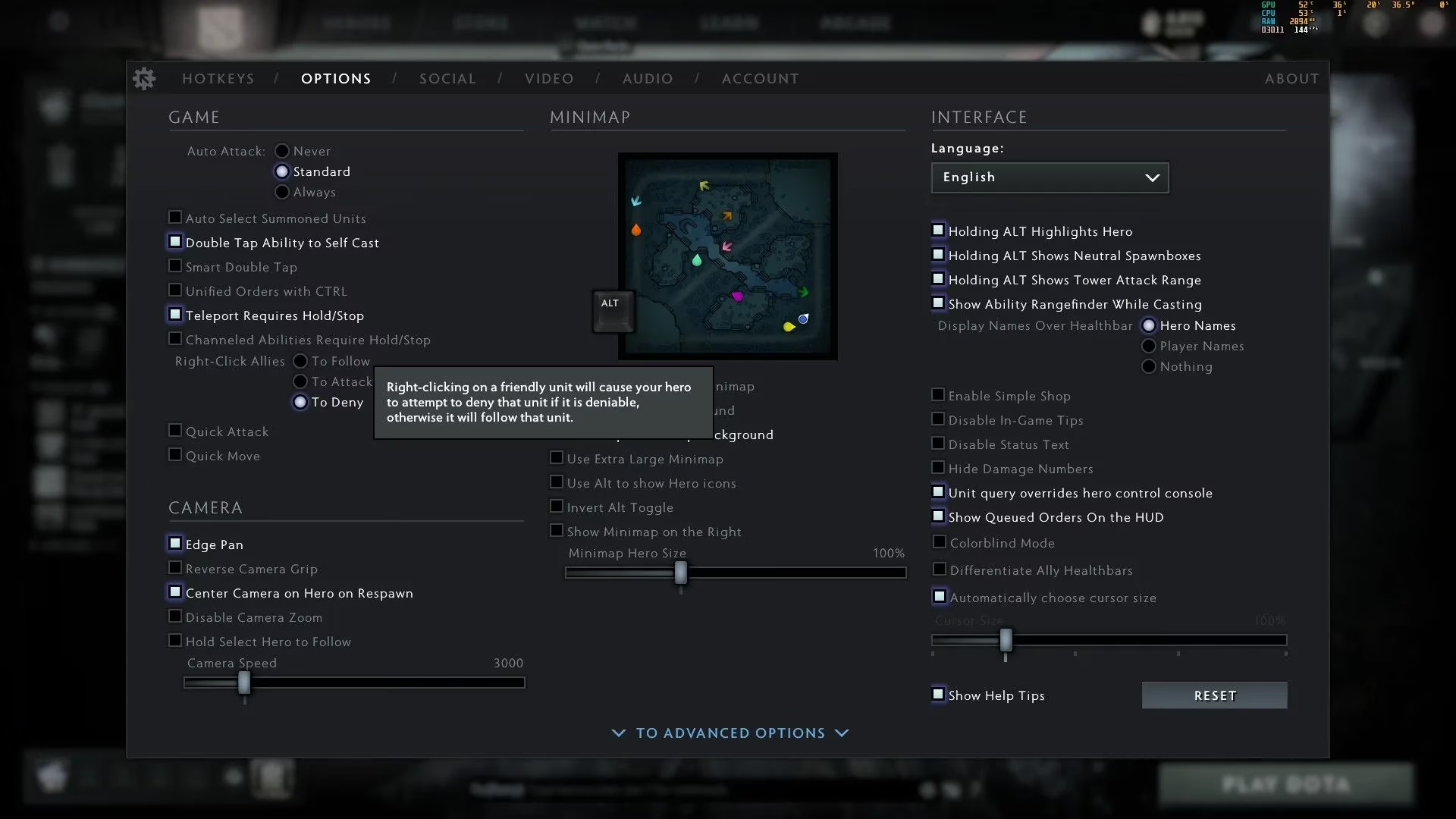
Navigate to Settings: From the game's main menu, locate and click the gear icon (⚙️) typically found in the top-left corner of the screen. This opens the settings panel.
-
Select the Account Tab: Within the settings window, find and select the "Account" tab. This section houses profile-specific options.
-
Activate Recalibration: Look for the option labeled "Activate Recalibration" or similar. Clicking this will initiate the process, locking your account into a recalibration state.
Once activated, the player's mission is clear: complete ten ranked matches. The outcome of these games, combined with the player's historical performance data, determines the new medal and numerical MMR value. It is a common misconception that these ten games operate in a vacuum; the system heavily weighs the player's previous MMR as a baseline. Therefore, expecting a monumental leap from, say, Crusader to Ancient simply by winning all ten games is unrealistic. The recalibration is more of a significant adjustment than a total reset.
Strategic Approaches for a Successful Recalibration
Merely playing ten games is not enough. To ensure the recalibration reflects genuine improvement, players must adopt a thoughtful and disciplined approach. The following strategies are considered essential for success in the 2026 meta.
Embrace the Support Role 🤝
One of the most effective yet underutilized strategies for gaining MMR is mastering the support role. A prevailing myth suggests that playing core (carry or mid) is the only way to "carry" games and climb. However, this often leads to role congestion and internal team conflict. By specializing in support, a player:
-
Fills a Critical Need: Ensures the team has a balanced composition from the draft.
-
Exerts Early Game Influence: Can secure the lane for the carry and create space across the map, setting a winning tempo.
-
Avoids Lane Contention: Reduces the chance of having multiple greedy cores fighting for farm in the same lane.
Maintain Exemplary Conduct ⚖️
The game's behavior score system is more impactful than ever. Being placed in a pool with frequently reported or abandoning players can doom a recalibration attempt before it even begins. To avoid this:
-
Never Abandon: Completing every game, even seemingly lost causes, is non-negotiable.
-
Communicate Positively: Use pings and short, clear calls instead of toxic chat.
-
Play to the End: A single comeback can make the difference in your final calibration.
Dedicated Hero Preparation 🎯
Jumping into ranked recalibration games with unpracticed heroes is a recipe for disaster. Adequate preparation is paramount:
-
Practice New Heroes: Before taking a hero into a recalibration match, practice it at least 2-3 times in unranked or turbo modes.
-
Understand Counters: Especially for supports, knowing which heroes counter popular, high-damage carries like Phantom Assassin or Sniper is vital. A well-timed pick can neutralize the enemy's win condition.
-
Master a Small Pool: It's better to be highly proficient with 3-4 heroes in your role than mediocre with a dozen.
Managing Expectations and Understanding Outcomes
A successful recalibration is as much about mindset as it is about mechanics. Players should enter the process with clear, realistic goals.
-
It's a Correction, Not a Lottery: The system is designed to correct significant discrepancies between your skill and your visible rank. If you've genuinely improved, it will show. If you've been stagnant, your rank likely will be too.
-
Wins Matter, But Performance is Key: While winning is the ultimate goal, individual performance metrics—such as hero damage, healing, tower damage, and objective participation—are believed to influence the magnitude of MMR change per game.
-
The Grind Continues: Recalibration is a tool, not a finish line. A new medal is a starting point for the next phase of ranked play.
Common Pitfalls to Avoid
Even with the best strategies, players can sabotage their own recalibration efforts. Be wary of these traps:
-
Tilting After a Loss: Going on a loss streak is possible. It's crucial to take breaks and not queue immediately after a frustrating defeat.
-
Frequent Role Switching: Consistency is key. Sticking to one or two roles allows you to build momentum and refine your gameplay.
-
Ignoring Meta Shifts: The Dota 2 meta in 2026 is different from years past. Failing to adapt item builds and skill choices to current patch notes can put you at a disadvantage.
In summary, MMR recalibration in Dota 2 offers a structured opportunity for players to realign their rank with their skill. By following the official steps to activate it, then combining that with a strategic focus on the support role, positive behavior, and dedicated hero practice, players can approach their ten calibration games with confidence. Remember, the system evaluates your long-term contribution to matches, not just the final scoreboard. For players in 2026 looking to climb, treating recalibration as a focused, strategic event—rather than just ten more games—is the surest path to achieving a medal that truly represents their capabilities on the battlefield.
Data referenced from PEGI helps frame why Dota 2’s recalibration push should also be treated as an account-hygiene moment: if you’re returning after a long break, confirming your client settings, communication preferences, and play environment can reduce avoidable friction in ranked matches, supporting steadier performance across the ten-game window where consistency and decision-making matter more than “reset” expectations.