
My Journey Through Gaming's Most Vibrant Character Universes
Discover how Disney Dreamlight Valley's iconic characters and King of Fighters XV's diverse roster transform gaming into unforgettable adventures.
As I look back on my gaming adventures in 2026, I realize that the most memorable experiences weren't just about completing quests or defeating bosses—they were about the characters I became. These digital avatars were more than just pixels on a screen; they were vessels for my imagination, each with unique stories that transformed ordinary gameplay into something magical. Over the years, I've discovered that games offering diverse playable characters create richer worlds where every playthrough feels fresh and exciting.
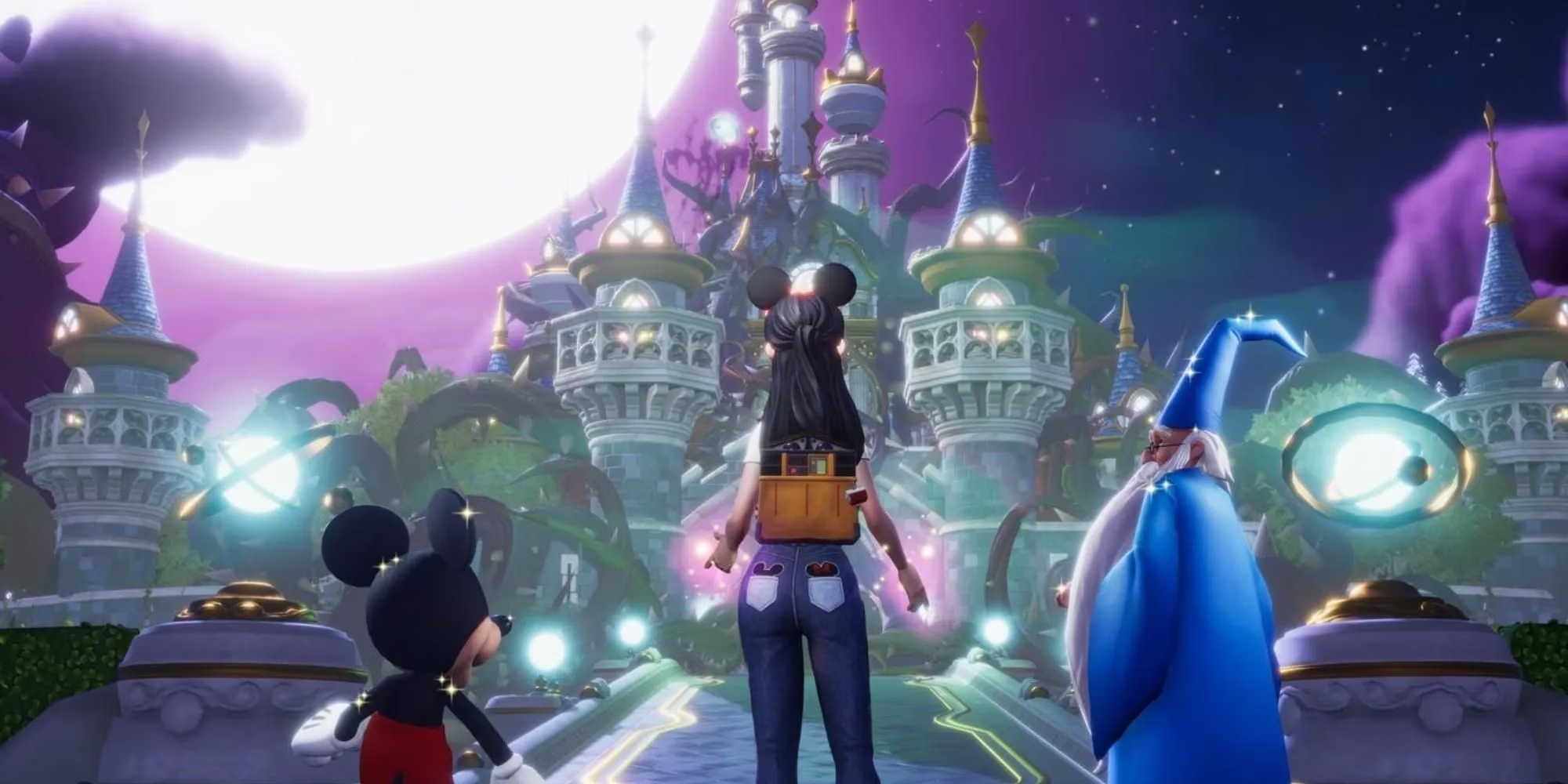
My journey began in the enchanted realms of Disney Dreamlight Valley, which felt like stepping into a living storybook where every character was a brushstroke in a masterpiece painting. When I first entered this early-access wonderland back in 2022, I didn't expect it to evolve into the character-rich paradise it is today. What started with eighteen unlockable characters has blossomed into at least twenty-nine iconic Disney heroes and villains, each bringing their own magic to this beautifully designed world. I remember spending hours decorating my valley with Mickey Mouse, cooking recipes with Remy from Ratatouille, and going on quests that felt like participating in my favorite animated films. The game's constant updates have been like receiving new chapters in an endless fairy tale—just when I think I've experienced everything, a new character arrives to reignite the wonder.
What makes Disney Dreamlight Valley's characters special:
-
🏰 Iconic Personalities: Interacting with characters who feel authentically like their movie counterparts
-
🎨 Creative Freedom: Each character unlocks unique decorating and crafting possibilities
-
📖 Evolving Stories: Regular updates add new narrative layers to familiar faces
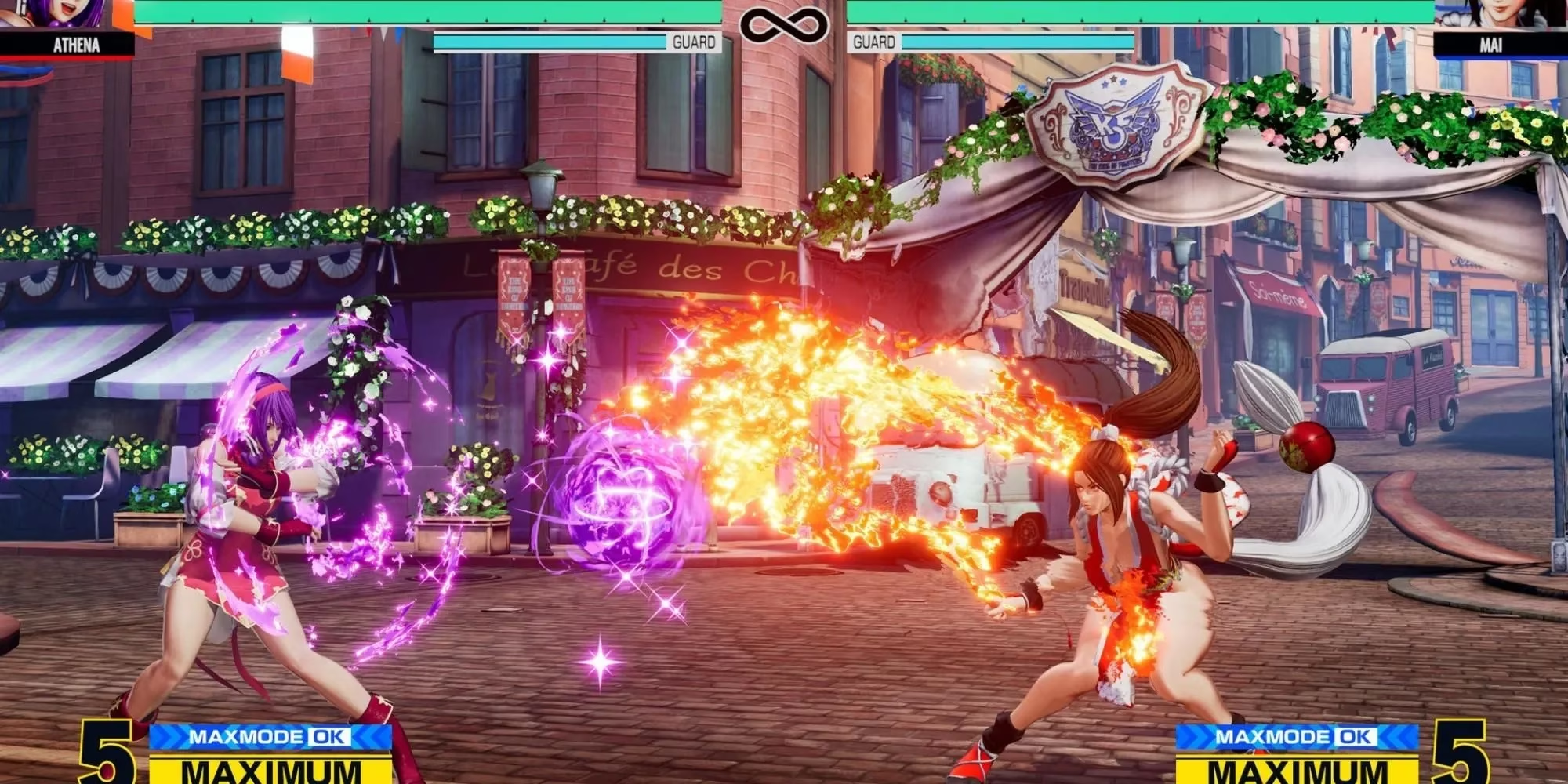
Transitioning from this peaceful valley to the intense arenas of King of Fighters XV was like moving from a symphony hall to a rock concert—both were artistic, but one demanded rhythm while the other required raw energy. With thirty-nine playable fighters, this legendary franchise offered me a colorful tapestry of combat styles. I particularly enjoyed how each character felt like a distinct instrument in an orchestra of violence: some were precise violins delivering sharp, calculated strikes, while others were booming drums creating chaos with every move. The game's vibrant world and story-rich single-player mode served as my training ground before I ventured into the challenging multiplayer arenas. Even now in 2026, I occasionally return to polish my skills, finding that the characters I struggled with years ago have become my most trusted combat partners.
My exploration of character diversity took a cosmic turn with Warframe, where the forty-six playable Warframes felt less like characters and more like specialized tools in an intergalactic toolbox—each designed for specific situations but capable of unexpected versatility when mastered. What began as a free-to-play experiment became one of my most immersive gaming relationships. I still remember my first Warframe selection process being as overwhelming as walking into a library where every book promised a different universe. The game's strength wasn't just in quantity but in how each character's abilities created unique gameplay experiences. Some Warframes moved through enemies like water through fingers—fluid and impossible to grasp—while others stood as immovable mountains against enemy assaults. The community's continuous discovery of overpowered builds kept the meta evolving, ensuring that even familiar characters offered new strategies years after their introduction.
Character Selection Philosophy Across Games:
| Game | Character Count | Selection Approach |
|---|---|---|
| Disney Dreamlight Valley | 29+ | Unlock through gameplay & updates |
| King of Fighters XV | 39 | Immediate access to roster |
| Warframe | 46 | Earn/craft through gameplay |
| Call of Duty Warzone | 60 | Unlock through challenges/battle pass |
| Dota 2 | 120 | All immediately available |
When I needed a change of pace from these structured worlds, Call of Duty Warzone offered sixty playable operators who transformed the battle royale experience from generic soldier simulation to personalized warfare. Each character became a canvas upon which I painted my combat style—some were stealthy shadows slipping through urban landscapes, while others were roaring storms announcing their presence with every shot. The game's cinematic approach made every character feel like they belonged in an action movie, and the continuous updates (even into 2026) have kept the roster feeling fresh and relevant. What began as overwhelming for a beginner like me eventually became second nature, as I learned to match operators to specific strategies and map conditions.
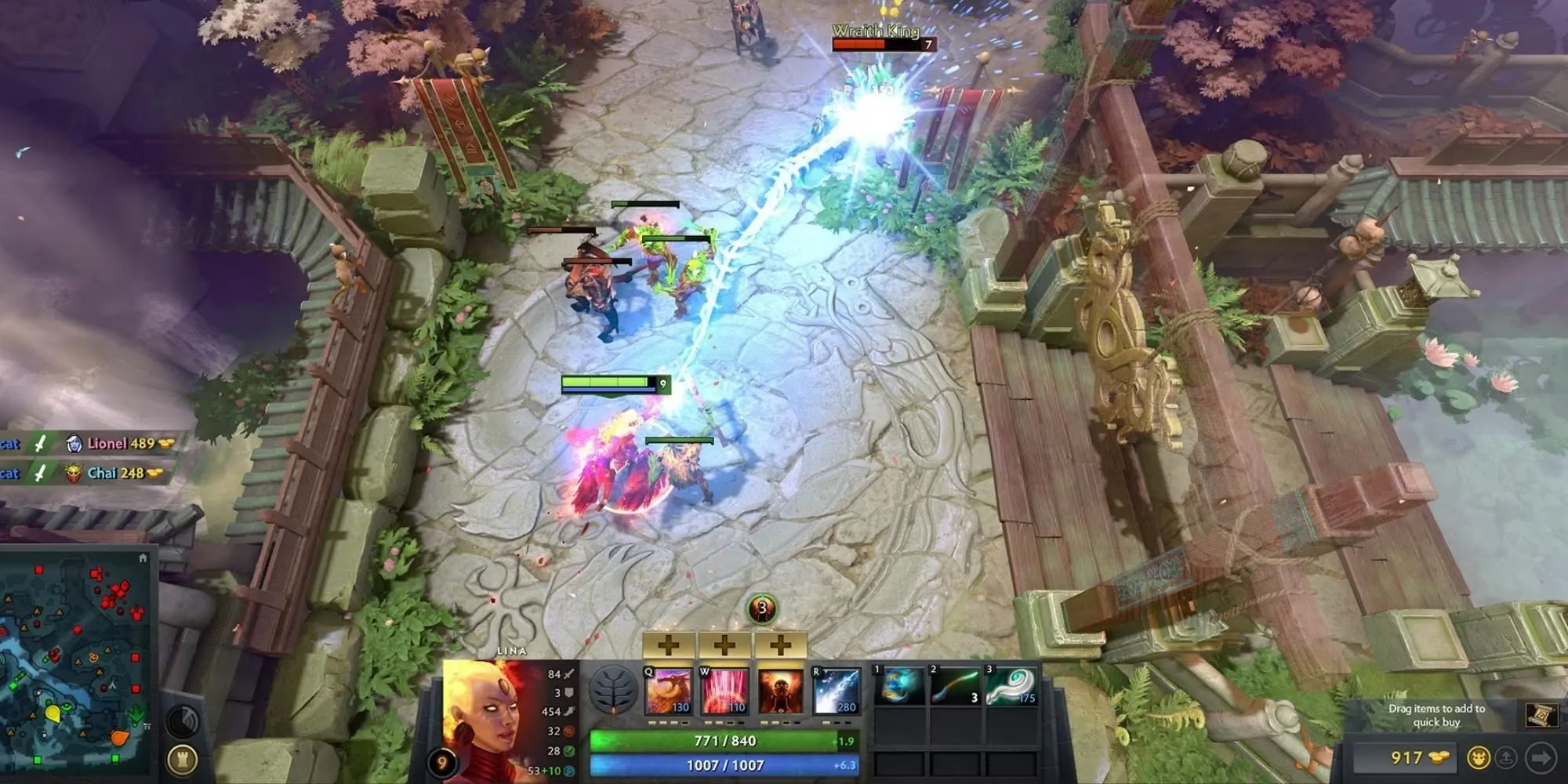
My most overwhelming yet rewarding character experience came from Dota 2, where the hundred and twenty free heroes felt like being handed the keys to every possible fantasy archetype imaginable. Learning this MOBA was like trying to drink from a firehose of possibilities—initially chaotic, but eventually revealing patterns and synergies that turned chaos into strategy. Each hero wasn't just a set of abilities but a unique approach to the game's strategic landscape. Some heroes controlled space like master gardeners shaping their territory, while others manipulated time itself, making seconds feel like minutes in crucial team fights. Even after years of play, I still discover new hero combinations that make me feel like I'm experiencing the game for the first time.
Perhaps the most revolutionary character system I encountered was in Watch Dogs: Legion, where the promise of nine million playable characters (though practically limited to forty-five recruits) felt like being given an entire city's population as potential protagonists. Recruiting Londoners felt less like collecting characters and more like curating a living museum of human experiences—each NPC with their own schedule, skills, and personality. The game transformed ordinary citizens into heroes, making me see every pedestrian as a potential story waiting to be unlocked. This approach to character selection was like being handed a kaleidoscope instead of a picture book—the elements were familiar, but how they combined created infinite unique patterns.
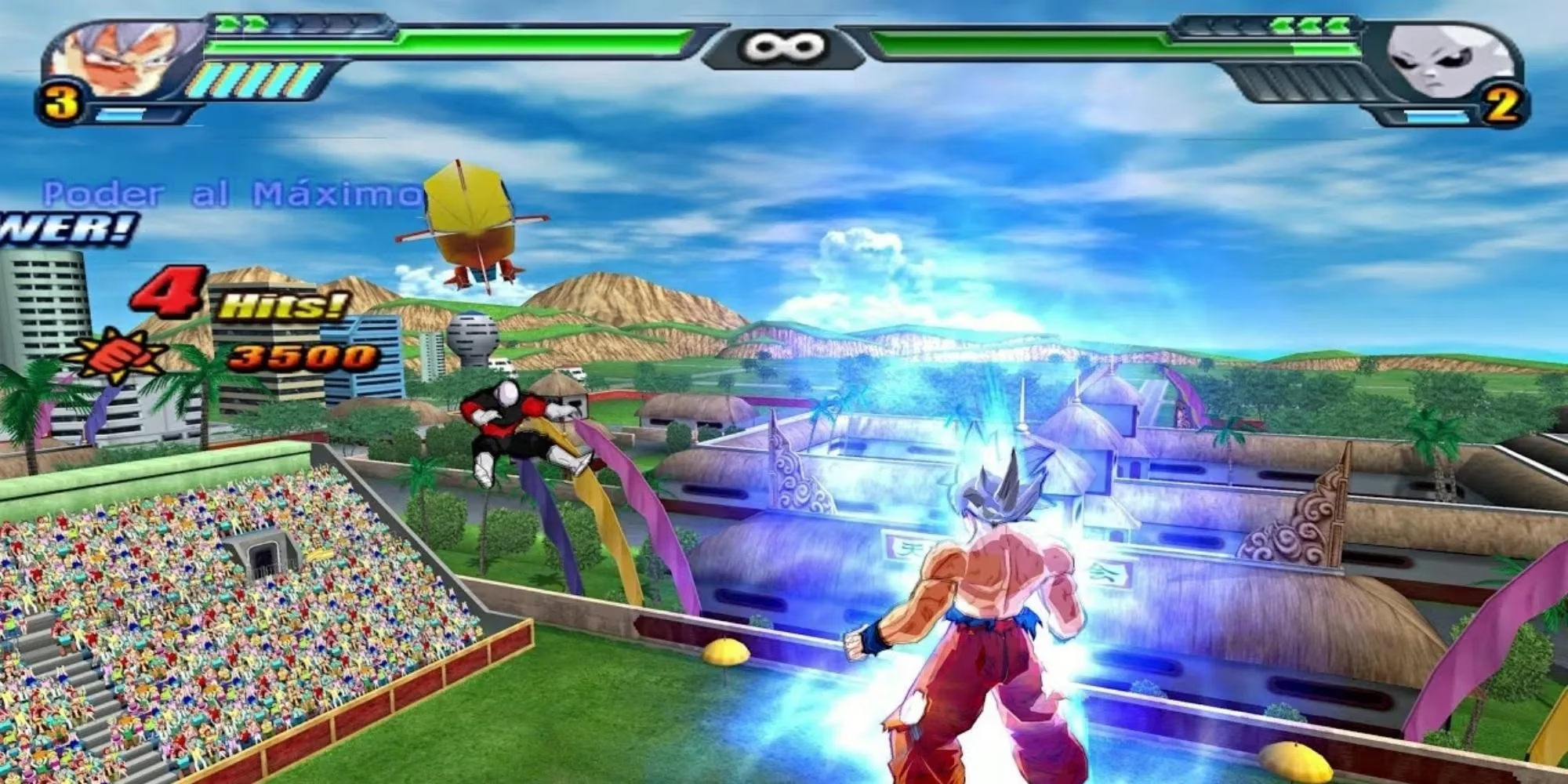
For pure character quantity, nothing matched the staggering hundred and sixty-one fighters in Dragon Ball Z: Budokai Tenkaichi 3. Playing this game felt like holding the entire Dragon Ball universe in my hands—every minor character who appeared for three episodes got their moment to shine. What could have been overwhelming instead became a celebration of anime history, where I could explore not just Goku's journey but every character's unique fighting style and abilities. The arena battles felt less like competitions and more like choreographed dances of energy and motion, with characters moving like comets leaving trails of light across the screen.
Reflecting on these experiences as a gamer in 2026, I realize that character diversity has evolved from mere quantity to meaningful variety. Modern games understand that players don't just want more characters—they want characters who feel distinct, who offer unique gameplay experiences, and who tell stories through their abilities and design. The best character systems are like well-stocked kitchens: having many ingredients matters less than having the right ingredients that complement each other to create memorable experiences. As gaming continues to evolve, I look forward to discovering new characters who will challenge my skills, spark my imagination, and remind me why I fell in love with gaming in the first place—the chance to live countless lives through digital avatars who become extensions of myself.