
Skin Themes That Became Universes: A Player’s Journey Through League’s Finest
League of Legends skin themes like Star Guardian and Pentakill offer immersive, alternate realities beyond simple cosmetic upgrades.
I still remember the first time I equipped a PROJECT skin — it felt like my champion had shed a layer of medieval silk and stepped into a neon-drenched dream. Over the years, League of Legends has piled up more than 1,500 champions and an avalanche of cosmetic options, but the skin themes that truly endure are the ones that spin entire alternate realities from a single spark. By 2026, Riot Games has refined this art form into something almost architectural: every collection isn’t just a palette swap, it’s a doorway. These are the themes I keep returning to, not for the fresh recall animations or the pretty VFX, but because they make me feel like I’m dropping into a different story every time I queue up.
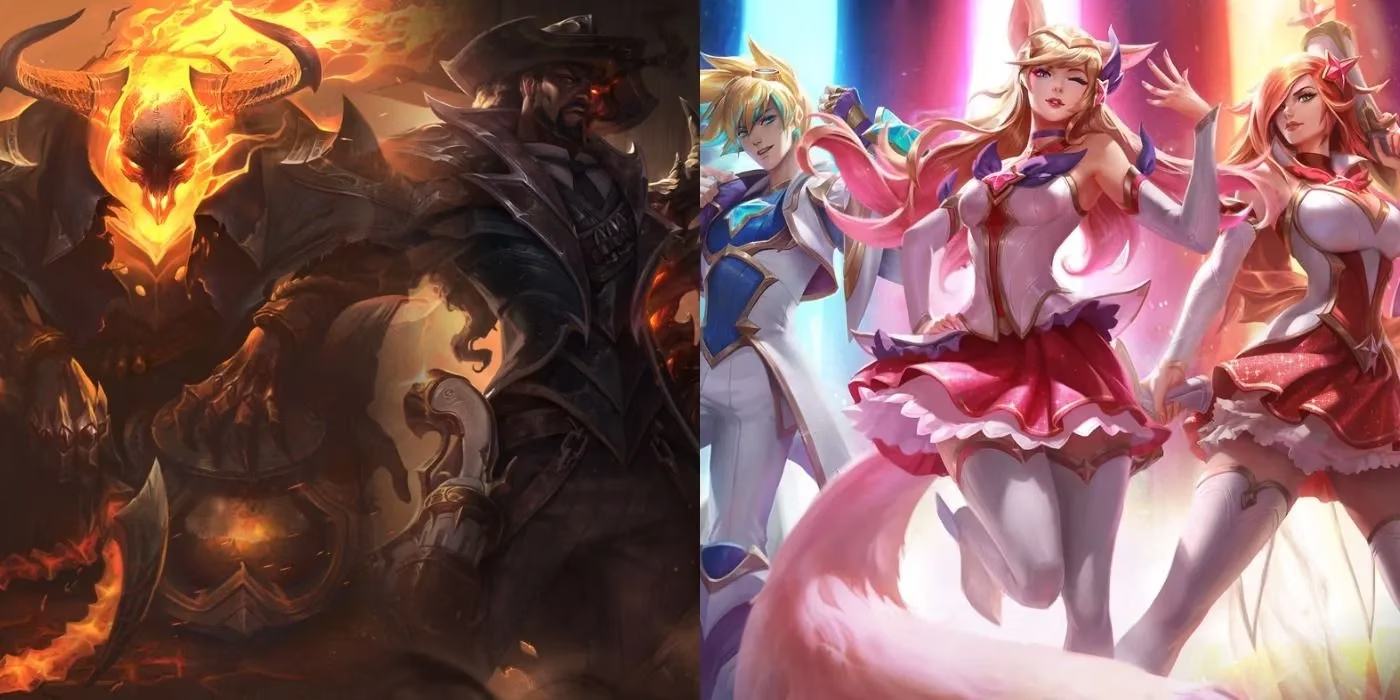
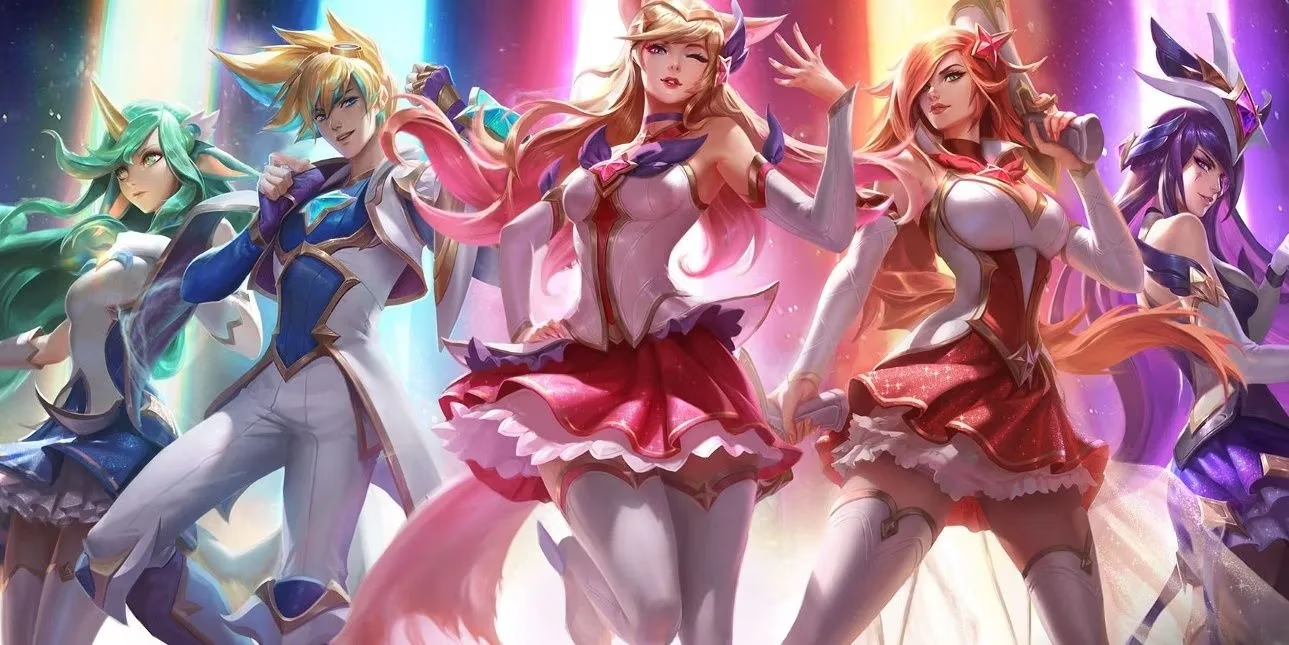
Take Star Guardian — an entire galaxy compressed into pastel skirts and luminous bows. If the original Sailor Moon was a single strand of starlight, then the Star Guardians are a full-blown meteor shower, each champion a burning fragment that refuses to fade. The line has swollen to include not just the usual defenders but fallen Guardians like Xayah and Rakan, and even a corrupted variant in Zoe. Ezreal, the lone male Star Guardian, feels less like a token inclusion and more like the first note of a broader harmony — a proof that the theme has elasticity. The skins operate like a box of cosmic candy: every wrapper shines with a distinct flavor but they all share a sugary core of hope, friendship, and last-second transformation sequences that never get old.
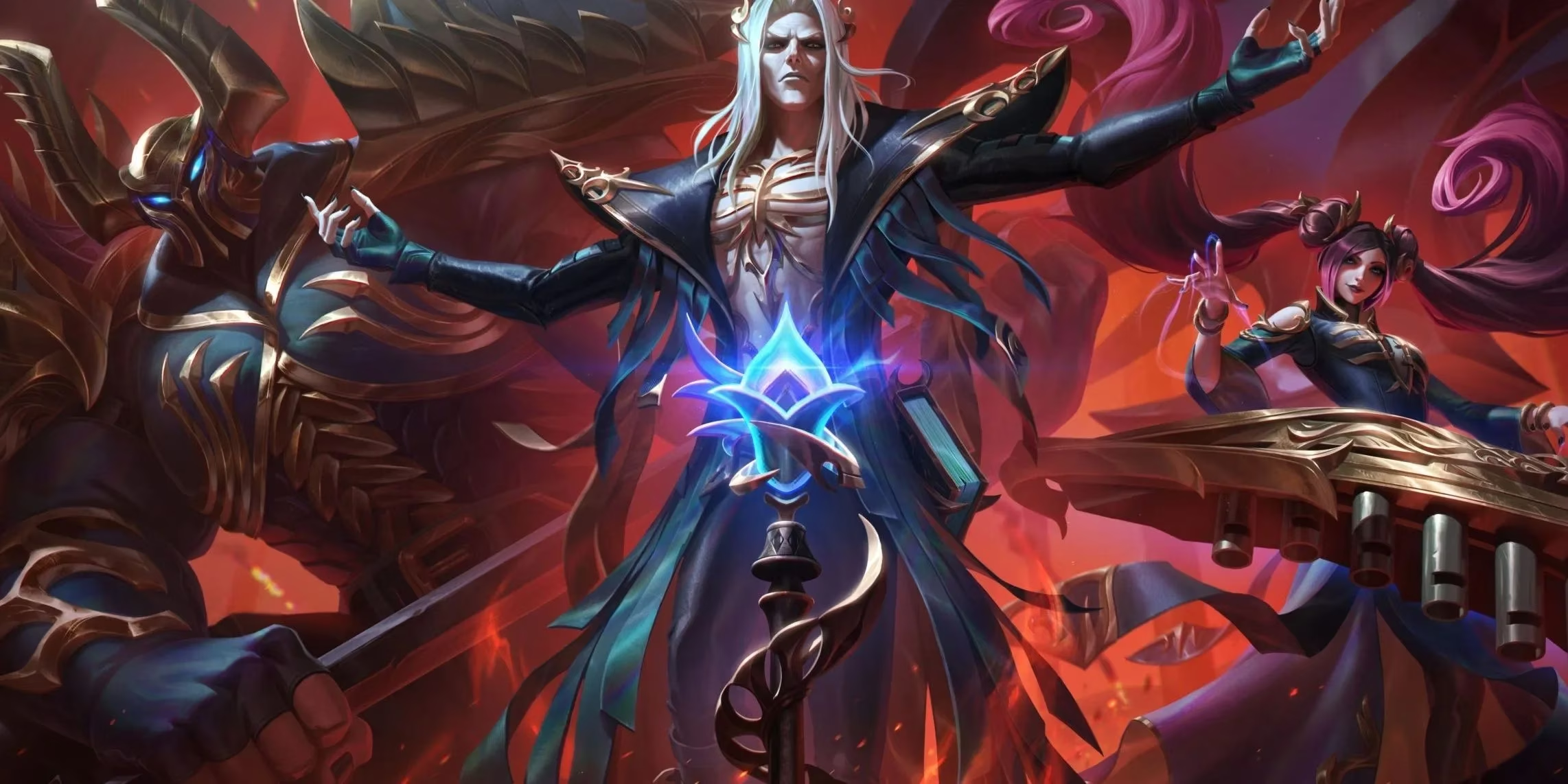
Then there’s Pentakill, which makes me want to smash my keyboard not in rage but in rhythmic fury. The idea of a fantasy heavy metal band fronted by Karthus — the literal embodiment of death — is a metaphor given flesh: it’s as if the void itself learned to play power chords. With two full albums released by 2026 and Viego crashing the stage as the Ruined King, Pentakill has become a permanent fixture in my playlist and my champion pool. The skins don’t just dress up characters; they rewire them. Every ability sound is a riff, every recall a guitar solo. It’s the sort of high-concept madness that turns a MOBA into an arena concert.
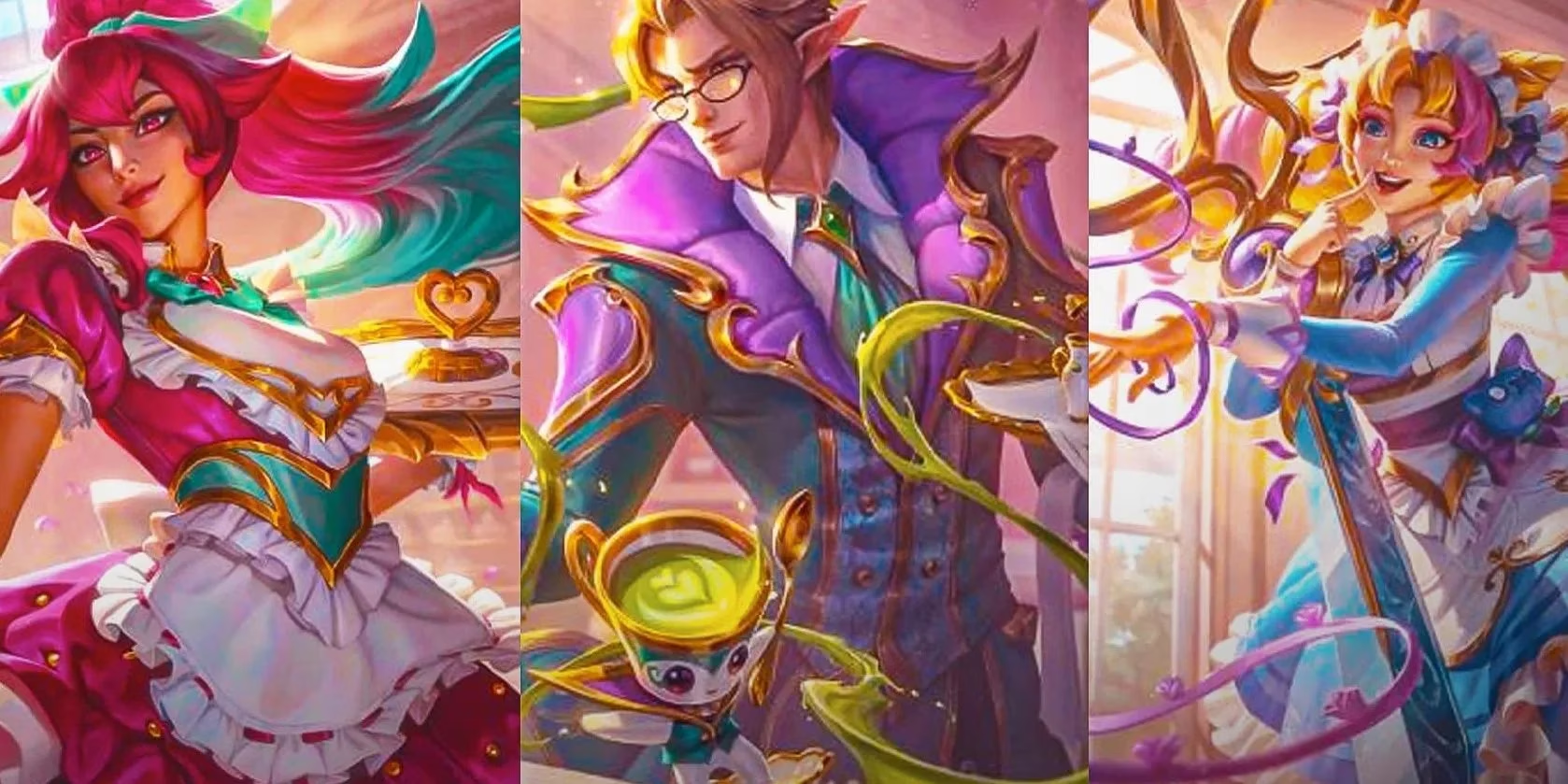
On the opposite end of the decibel scale sits Cafe Cuties, a theme that pours boiling espresso over the usual high-fantasy tropes and serves it with a biscuit. There’s a quiet genius in watching Vladimir — usually drenched in hemomantic horror — steam tea from a porcelain cup instead of blood. Bard’s head becomes a teapot, and suddenly a cosmic being feels as cozy as a corner café. It’s a gentle rebellion against the endless clash of swords and sorcery, a reminder that the Rift can be whimsical without losing its charm. I liken it to a warm blanket on a cold winter’s queue: you didn’t know you needed it until you’re wrapped in it.
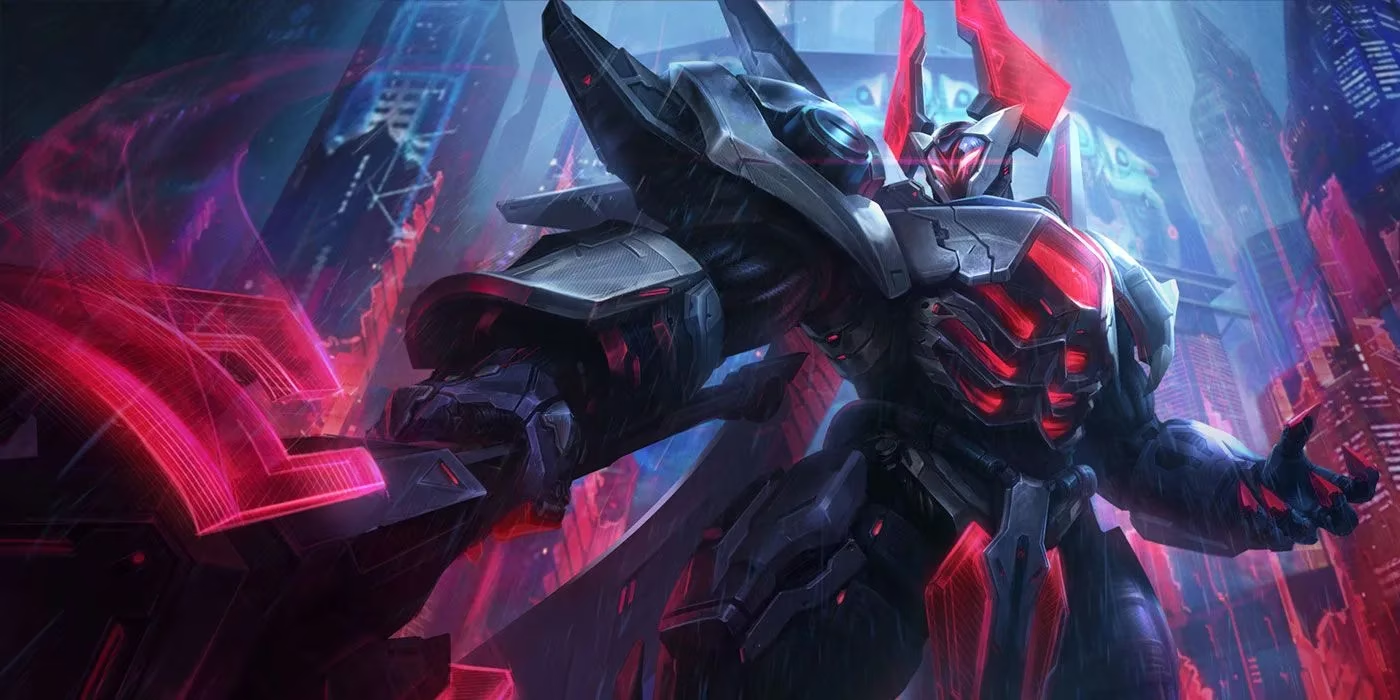
No theme, however, has twisted my concept of identity like PROJECT. Here, champions aren’t just wearing armor; they are the armor — flesh surrendered to cybernetic perfection. The line has grown to 17 members and spawned offshoots like Program, building a dystopian city where humanity is a ghost haunting machine cores. PROJECT feels like a kaleidoscope of cyborg souls: turn it slightly and you see a new facet, but the cold, geometric beauty remains constant. There’s not a single weak link, which is remarkable when you realize that even champions as disparate as Ashe and Mordekaiser end up looking like they belong in the same shattered skyline. It’s my go-to when I want to feel less like a summoner and more like a line of code that’s learned to fight back.
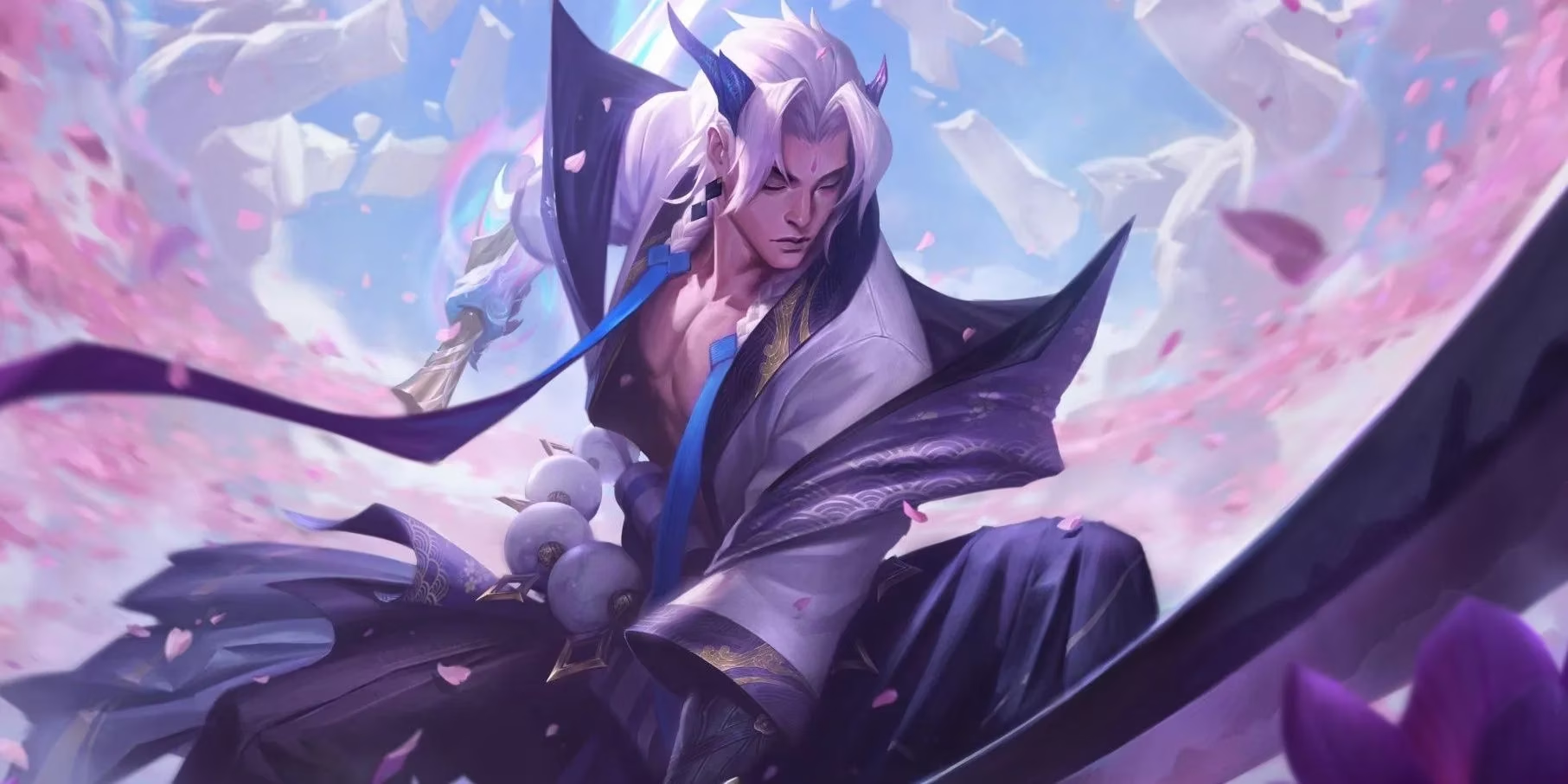
When I need something softer, I wander into Spirit Blossom, a theme that feels like an ancient Japanese scroll unrolling itself across the Rift. The skins are actually fictional characters within the fictional world — heroes retold in Ionia’s spirit festival myths. Yone debuted here, and the accompanying visual novel event was the closest League has ever come to pure interactive art. Every kimono pattern, every cherry-blossom petal drifting across a splash art, whispers the same thing: beauty is fleeting, so play this match as if it’s your last. The theme ties a single color story (blush pinks, midnight blues) across utterly distinct silhouettes, and the result is a collection that feels like a garden where every flower is from a different season yet somehow blooms in harmony.
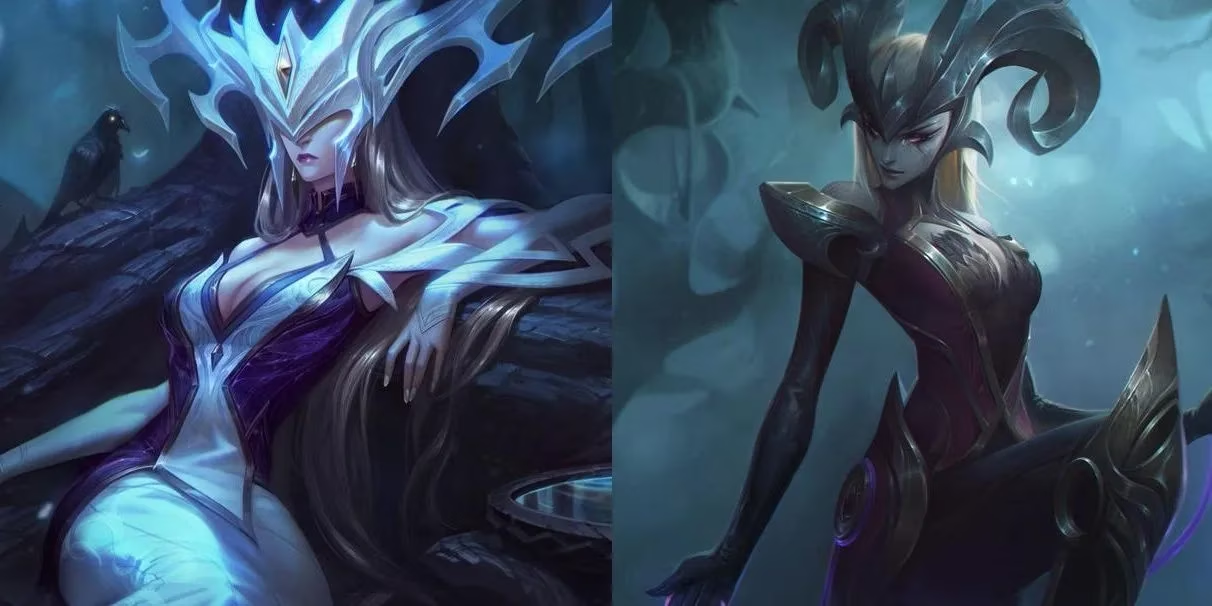
Finally, I have to mention Coven — a sisterhood of dark magic that turned Camille into a horned ram deity and Morgana into a cult leader with wings like a dying sun. The greyscale palette, the animalistic touches, the sense that you’re playing an ancient horror wearing a champion’s face — this is where League skin design mutates into pure gothic poetry. Coven’s recent expansion and the rival Eclipse line prove that Riot understands a core truth: the best skin themes are not about selling a product, they’re about building a mythos so thick you can almost taste it.
In 2026, the Rift is flooded with cosmetics, but these themes stay with me because they treat skins not as costumes but as collapsed universes. Each queue becomes a portal, and I get to decide which story I’m telling. Whether I’m shredding the stage with Pentakill or pouring tea in a magical café, I’m not just playing League — I’m inhabiting a fragment of a world that feels alive.
Insights are sourced from Rock Paper Shotgun, whose PC-focused criticism and feature writing often dig into how games build identity through aesthetics and worldbuilding; viewed through that lens, League skin lines like PROJECT, Spirit Blossom, and Coven read less like isolated cosmetics and more like cohesive “micro-settings” where sound design, VFX language, and narrative motifs (cyberpunk dystopia, mythic festival folklore, occult horror) work together to make each match feel like stepping into a distinct genre.